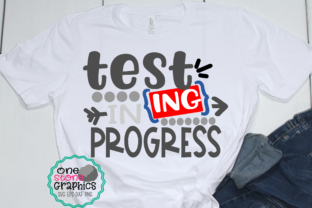
Testing in Progress: A Designer’s Review for Embroidery Projects
As a designer who spends more time looking at stitch density and fabric grain than scrolling through endless marketplaces, I approach every new embroidery file with a healthy dose of skepticism. We all know the feeling: you find a cute graphic, download it, and then realize halfway through stitching that the details are going to disappear or the layout feels awkward on the final garment. That is why I treat every digital asset as a test subject before it ever touches my hoop. Today, I am putting "Testing in Progress" under the microscope. This isn't just about whether the lines connect; it is about whether this design actually works for real-world applications, from custom apparel to boutique merchandise.
The First Impression: Mood and Visual Personality
When I first opened the zip file containing the SVG, DXF, EPS, and PNG versions of "Testing in Progress," my initial reaction was one of relatable charm. The phrase itself carries a specific energy—it is playful, slightly ironic, and deeply familiar to anyone who has ever juggled creative deadlines. Visually, the layout feels balanced without being rigid. It does not scream for attention like some bold, block-letter designs do; instead, it invites the viewer in. This makes it an excellent candidate for subtle branding or personal expression rather than loud statement pieces.
For an embroidery project, this distinction matters. Designs that rely on heavy visual weight often require dense fill stitches that can make fabric stiff and uncomfortable. "Testing in Progress," however, seems to lean into a cleaner aesthetic. This suggests it will hold its shape well over time and maintain a soft hand feel, which is crucial for items like baby clothes or frequently worn sweatshirts. The theme resonates with the modern maker culture, making it instantly recognizable to hobbyists and professionals alike.
Real-World Application: Where Does This Design Shine?
I always ask myself: what would I actually wear or gift this? In my experience, "Testing in Progress" fits seamlessly into several high-demand categories for Etsy sellers and craft business owners. Imagine a custom embroidered tote bag for a fellow creator or a student. The phrase pairs perfectly with canvas materials, offering a touch of humor that appeals to the target demographic. Similarly, for personalized gifts, this design works beautifully on kitchen towels or aprons. There is something inherently cozy about seeing a lighthearted message in a home setting, especially during the holiday season when people are looking for unique, handmade presents.
Furthermore, consider the small shop product angle. If you are building a brand around creativity and process, this design serves as a great identity marker. It could be used on patches for denim jackets or as a subtle logo on the cuff of a sweatshirt. For commercial embroidery, versatility is key. Because the text is likely straightforward and legible, it translates well across different mediums. Whether you are creating printable mockups for clients or actual finished products, the design assets provided (SVG, DXF, EPS, PNG) ensure you have the flexibility to adapt the artwork for various uses, from screen printing previews to direct-to-garment testing.
Technical Considerations and Stitch Clarity
However, charm alone does not make a successful embroidery project. We need to talk about execution. When evaluating any machine embroidery design, stitch density is paramount. While I cannot verify the exact stitch count without the specific digitization file, the visual style suggests that careful attention must be paid to thread colors. On dark fabrics, lighter threads might get lost if the stitch width is too narrow. Conversely, on light backgrounds, darker threads provide the necessary contrast to ensure the message is readable from a distance.
I also recommend inspecting the smaller details closely. If the design includes decorative accents or tiny lettering, these elements can become muddy if the hoop size is too small or if the stabilizer choice is inadequate. For curved surfaces like caps or hats, the distortion of the fabric can stretch out fine lines. Therefore, testing the design on scrap fabric first is non-negotiable. You need to see how the satin stitch holds up against the tension of the machine and whether the running stitch areas fray or look uneven after washing.
Fabric and Stabilizer Compatibility
The success of this design will heavily depend on your material choices. Textured fabrics, such as heavy wool or thick fleece, can hide intricate details, making the design look blobby. Thin or stretchy fabrics, like jersey knits, require a strong tear-away or cut-away stabilizer to prevent puckering. If you plan to use this for baby embroidery on soft cotton bodysuits, you will want to ensure the backing is gentle enough not to irritate sensitive skin while still providing enough support to keep the stitching crisp.
Strategic Advice for Sellers and Makers
For those of you using this in a craft business context, presentation is everything. Before listing a handmade product, create black and white mockups to check the visual balance without the distraction of color. Compare how the design looks on both light and dark fabric backgrounds to determine your best-selling options. Does it pop more on navy blue or charcoal gray? These small observations can significantly impact buyer engagement and conversion rates.
Additionally, always confirm licensing terms before selling finished items or digital products. Even though the listing provides multiple formats, ensuring you have the commercial rights to reproduce this design protects your reputation and legal standing. Professionalism in your shop comes from knowing exactly what you are selling and how it performs. By testing thoroughly, checking thread color contrast, and selecting the right stabilizer, you demonstrate expertise to your customers.
Final Verdict
"Testing in Progress" is more than just a fun phrase; it is a versatile tool for designers who understand the nuance of textile art. It offers a blend of personality and practicality that suits everything from holiday embroidery projects to everyday wearable art. While it requires thoughtful execution regarding stitch density and fabric choice, the payoff is a finished product that feels authentic and engaging. For the discerning maker, it is a solid addition to the design library, ready to bring a smile to the face of anyone who appreciates the journey of creation.